Bitcoin Online Casinos in Canada 2026: How to Choose Safe, Licensed Platforms and Avoid Scams
Bitcoin Online Casinos in Canada 2026: How to Choose Safe, Licensed Platforms and Avoid Scams

I've spent the last couple of years watching this scene shift in ways that would've seemed unlikely a decade ago. Bitcoin casinos went from a niche curiosity to something my own friends ask me about at dinner — and honestly, I get why. Instant deposits, lower fees, a bit more privacy. Hard to ignore, really. But growth like that drags in a flood of sketchy operators looking to cash in on the hype, and that's the part nobody warns you about. If you're thinking about trying crypto gambling in 2026, you need a way to separate the legit platforms from the ones that'll just eat your deposit. That's what I want to walk you through here.
What Is a Bitcoin Online Casino?
At its core, it's just an online gambling site that lets you deposit and cash out using cryptocurrency instead of regular Canadian dollars. Some operate exclusively on crypto. Others just offer it as one option among several. What sets a lot of these platforms apart, though, is 'provably fair' tech — a system that lets you verify, with actual cryptographic proof, that a game's outcome wasn't rigged behind the scenes. Traditional fiat casinos almost never offer that. It's one of the main reasons crypto-savvy players gravitate toward these sites in the first place.
How Bitcoin Transactions Work in Online Gambling
To use one of these casinos, you'll need a crypto wallet — either a software wallet on your phone or computer, or a hardware device if you want the extra security layer. When you deposit, the transaction broadcasts to the blockchain and needs a set number of confirmations before your casino account actually sees the funds. Usually that's anywhere from a few minutes to half an hour, depending on how congested the network is at that moment.
Compare that to waiting days for a bank wire or e-transfer to clear, and yeah, the speed is a real draw. There's a privacy angle too — you're not handing your banking details to every gambling site you decide to try, which matters a lot to Canadian players who'd rather keep their financial footprint small.
Why Canadians Are Turning to Bitcoin Casinos in 2026
The shift makes sense once you look at the practical side of it. Payouts that used to take three to five business days now often land in your wallet within hours. Transaction fees run lower than what traditional payment processors charge, generally speaking. And there's a privacy benefit — your gambling activity isn't necessarily tied to your real-world identity the way it would be through a bank transfer.
Beyond the technical perks, crypto casinos love dangling exclusive bonuses for Bitcoin depositors — bigger match percentages, free spins, loyalty perks you just won't find on fiat-only sites. And because a lot of these platforms operate globally instead of being boxed in by provincial restrictions, Canadian players end up with access to a wider pool of games and operators than they'd get through locally focused options. Crypto adoption in Canada has been climbing steadily for a while now, and the gambling sector is riding that same wave.
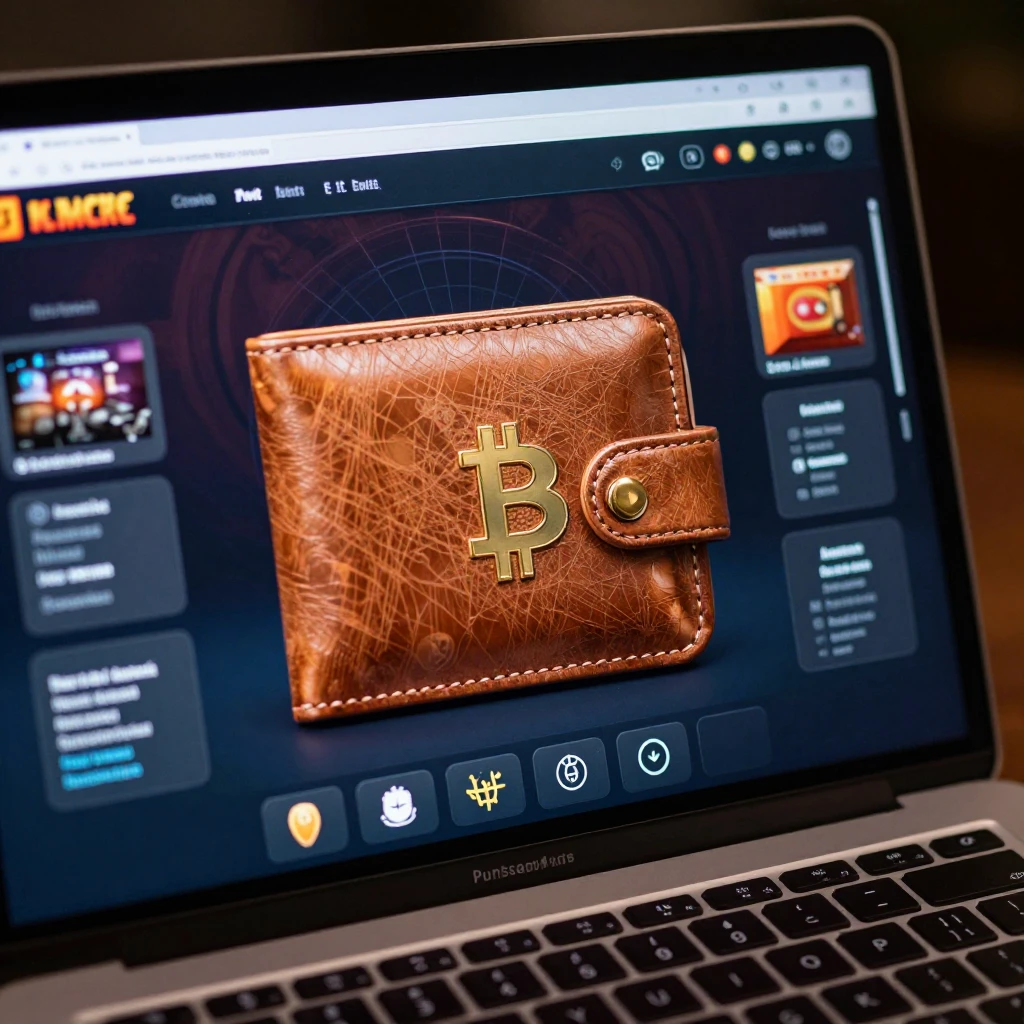
Is It Legal to Play at Bitcoin Casinos in Canada?
This is where things get a little murky, and I think it's worth being upfront about that instead of pretending otherwise. Gambling regulation in Canada happens mostly at the provincial level, with each province setting its own rules around licensed operators. Most Bitcoin casinos, though? They're not licensed within Canada at all. They're typically regulated offshore, in places like Curaçao or Malta.
For individual players, there's no explicit law criminalizing the act of gambling on an offshore crypto platform. The gray area really sits with the operators themselves, since they're often not authorized under any Canadian provincial framework. Practically speaking, that puts the burden on you — the player — to verify a platform's legitimacy before depositing a single dollar's worth of crypto. Licensing quality varies wildly between offshore jurisdictions too, so just spotting a license badge on a homepage doesn't automatically mean the site's trustworthy. I've seen plenty that weren't.
How to Choose a Safe and Licensed Bitcoin Casino
This is really the heart of the matter. And it's where I'd push you to slow down and actually do the homework before clicking 'deposit.'
Key Licensing and Security Indicators
First, check whether the casino displays a valid gaming license number — then take the extra step of verifying it directly on the licensing authority's own website, not just trusting a logo stuck in the footer. Look for SSL encryption too (that little padlock icon in your browser bar), since it protects your data in transit. Provably fair certification is another good sign; it shows the operator's willing to let players independently check outcomes instead of just asking for trust.
Last thing — read the terms and conditions. Specifically the parts about withdrawal limits, wagering requirements, and account verification steps. Vague or overly complicated terms are usually a warning sign all on their own.
Using Trusted Resources to Verify Platforms
One thing I always tell friends who ask me about this: don't rely solely on the casino's own marketing claims, because of course they're going to sound great. Canadian players can consult independent consumer protection and advocacy organizations, such as online casino bitcoin, to research a platform's reputation, check for complaints from other users, or report a suspicious operator if something feels off. These kinds of resources are genuinely useful for cross-referencing a casino's claims against real feedback before you ever commit funds — and honestly, they're worth bookmarking if you plan on exploring more than one platform over time.
Common Scams to Watch Out For
The crypto casino space attracts more than its fair share of bad actors. Here are the red flags I keep an eye out for, learned mostly the hard way:
- Fake or expired licenses — badges displayed on-site that don't match any real registration once you actually look them up.
- Withdrawal delays or denials — sites that process deposits instantly but suddenly develop 'technical issues' the moment you try to cash out.
- Rigged or unverifiable games — no provably fair system in place, no way to confirm the randomness of outcomes at all.
- Phishing clones — fake websites mimicking well-known legitimate casinos, usually found through sponsored ads or spammy links.
- 'Bonus trap' offers — unregulated promos with wagering requirements so steep they're basically impossible to clear, built to lock your deposit in place.
If a platform's pressuring you to deposit fast, hiding its licensing info, or buried under negative reviews about payout problems — that's usually reason enough to walk away. No second-guessing needed.
Best Practices for Safe Bitcoin Gambling
A few habits can genuinely make the difference between a fine experience and a frustrating one:
- Use a dedicated crypto wallet for gambling, separate from your main savings or investment holdings.
- Set personal deposit and loss limits before you start playing — and actually stick to them, not just in theory.
- Read recent user reviews on independent forums rather than testimonials posted on the casino's own site.
- Start with a small test deposit and withdrawal to confirm the platform processes payouts smoothly before committing larger amounts.
- Enable two-factor authentication on both your wallet and your casino account, wherever it's offered.
Bitcoin casinos offer real advantages for Canadian players in 2026 — speed, lower fees, a level of privacy traditional payment methods just can't match. But none of that matters if you're playing on a platform that isn't actually trustworthy. Taking the time to verify licensing, cross-check reputation through independent resources, and follow a few sensible security habits goes a long way toward protecting your funds and your personal information. The crypto gambling landscape is still evolving — maybe faster than most people realize — and staying informed is really your best defense against the operators looking to cash in on that growth.